AI-Personas
Generative AI for UX Research
Role
UX Researcher
Team
1
Introduction
This project explores the use of generative AI for conducting user research in interaction design, more specifically it will examen the rehabilitation experiences of elderly patients at a local physiotherapy clinic. Three personas representing potential users were generated in order to perform simulated interviews. A total of twelve interviews were conducted: the first three using synthetic data and the remaining nine grounded in actual user research. It may be concluded that, data-driven personas are more effective in capturing nuanced user needs, however reliance on AI-generated personas without empirical data introduces risks of oversimplification and misguided design decisions.
Overview
This project explores how generative AI can support early-stage user research in interaction design. Specifically, it focuses on understanding the rehabilitation experiences of elderly patients at a local physiotherapy clinic, and how AI-generated personas and simulated interviews can inform the design process. The most advanced models available as of this writing is chatGPT-4o and o1-preview, with the latter used for its reasoning capabilities when doing analyzing the interview transcripts.
Context
Elderly patients often face accessibility and usability challenges with healthcare services—issues heightened when adopting new solutions like a digital platforms. Traditionally, gathering user insights through interviews and observations can be resource-intensive and logistically complex (either due to geographical or contextual constraints). This project investigates whether generative AI, particularly Large Language Models (LLMs), can help design teams quickly generate user personas and run simulated interviews, reducing the time and effort required for initial concept validation.
Step 1
The process began with three generic personas generated by ChatGPT. These represented hypothetical elderly users rehabilitating through a physiotherapy platform. Three synthetic interviews where conducted to understand their motivations, pain points, and preferences.
Step 2
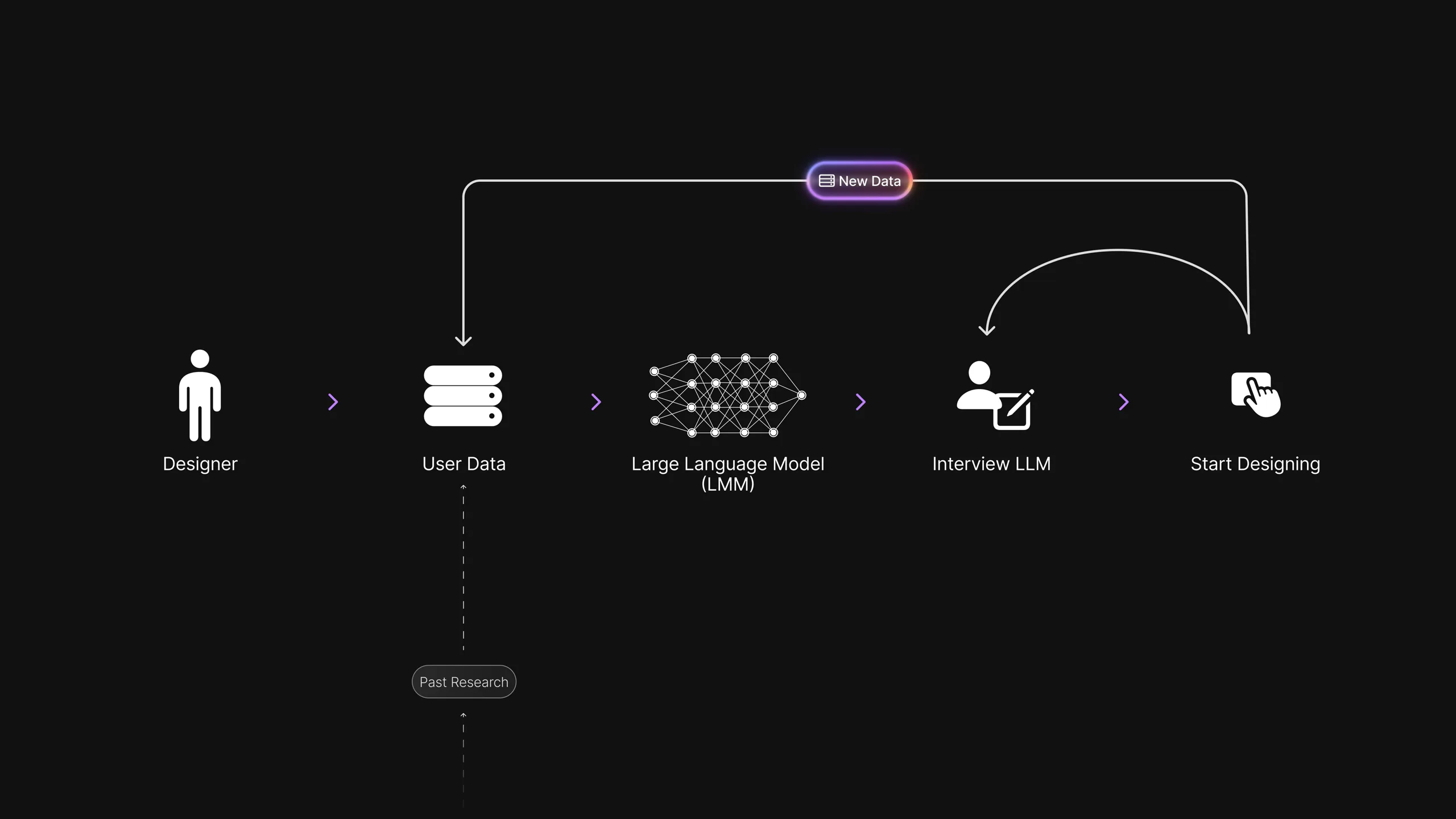
After consulting with the physiotherapy clinic, I received anonymized user data. This allowed the creation of three more accurate personas, ensuring greater realism and reduced risk of oversimplification. The personas where created as 3 custom GPT utilizing the 4o model. Their respective profile pictures where generated by themselves based on how the image them looking. Herein, I conducted nine interviews with these data-driven personas over three days. This included exploring treatment experiences, collaborative UI review sessions with wireframes, and critical feedback sessions focusing on challenging assumptions.
Step 3
In addition to the user personas two “Expert Personas” for Analysis where created—a physiotherapist and a UX researcher—to analyze the interview transcripts. This step aimed to categorize feedback, identify key themes, and provide more objective insights. The o1 model was leveraged during this step for its reasoning capabilities. Furthermore, the personas where prompted to visualizing Insights with word clouds to highlight recurring topics and themes, such as the importance of personalized care, family involvement, accessible design, transparent communication, and emotional engagement.
Wireframes
The personas highlighted accessibility concerns (e.g., text size, icon clarity), even when current standards were met. Their persistent critique led to better-informed design refinements. Where prompted to adopt a negative perspective on the wireframes, which proved especially insightful as it yielded constructive feedback that was, in many instances, accurate and actionable. The personas feedback drew attention to specific interface issues, including problematic color choices. Ultimately, being challenged by negative personas offered a valuable opportunity to refine the design in ways that more closely align with authentic user needs and expectations.
Reflection
Generative AI can assist designers in rapidly generating and testing user scenarios, leading to early-stage insights without the full burden of traditional research. However, empirical data remains essential for ensuring that the resulting design directions genuinely reflect user needs. In short, AI-driven personas are powerful tools for ideation and early concept validation—when balanced with expert validation and real-world data. While generative AI can jumpstart persona creation and early ideation, it should complement rather than replace direct user research. AI models can introduce biases or present false insights (“hallucinations”). Ongoing validation against real user data and expert feedback is crucial. Introducing additional personas, scenarios, and prompt strategies (including encouraging critical perspectives) can improve the quality and relevance of AI-generated insights.
Written in collaboration with ChatGPT-4o